
By Nahida Akter
Photo Credit: Nahida Akter
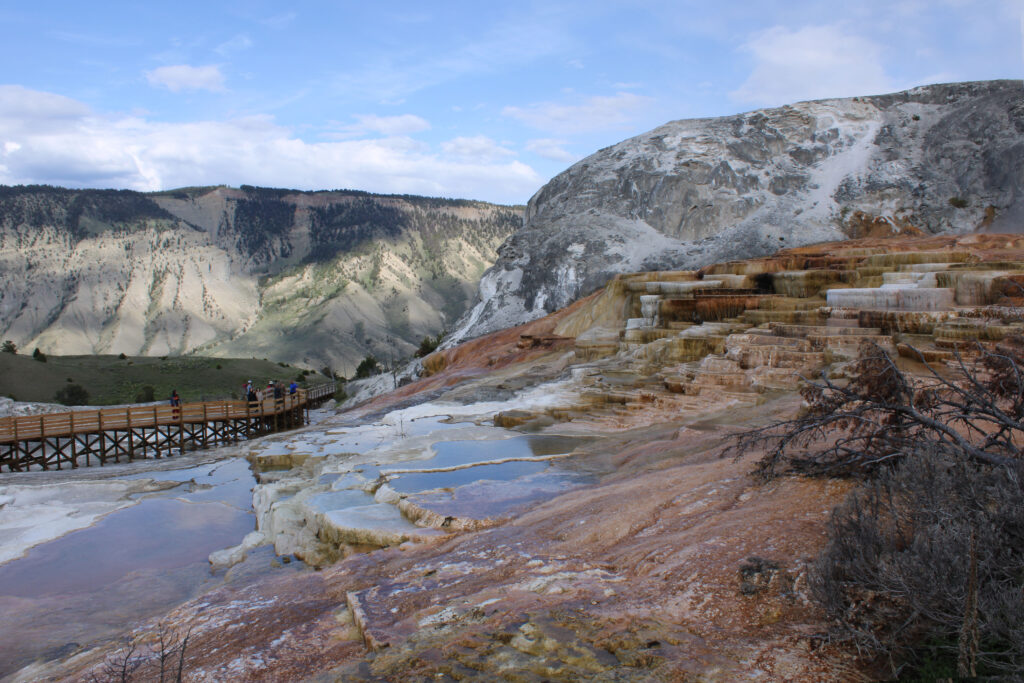
The U.S. National Park Service (NPS) has been thrust into crisis following the federal government shutdown that began on October 1. While America’s 63 national parks remain technically open, the shutdown has led to widespread suspension of services, laying off thousands of employees, and growing concerns over visitor safety and environmental damage.
Why the Shutdown Happened
The closure stems from a budget impasse in Congress, where lawmakers failed to pass a spending package before the October 1 deadline. As a result, non-essential federal agencies, including the NPS, were ordered to halt most operations. More than 9,000 of the agency’s 14,500 employees have been furloughed leaving only a skeleton crew to handle emergencies and protect life and property.
Impact on the Park Services
Open-air areas such as roads, trails, and scenic lookouts remain accessible, but staffed facilities including visitor centers, permit offices, and restrooms are closed. Also, routine maintenance, trash collection, and ranger-led programs have been suspended. Unfortunately, the parks that collect entrance fees under the Federal Lands Recreation Enhancement Act are using those funds to provide minimal services like sanitation and law enforcement. The parks without such revenue streams have shut down completely.
As an impact, emergency services are limited, and any area posing health or safety risks such as overflowing trash or hazardous road conditions possibly be closed without a notice. Advocacy groups warn that this partial opening could lead to resource damage, citing past shutdowns where vandalism and environmental degradation occurred.
Economic Fallout
Undoubtedly, the financial impact is severe. The National Parks Conservation Association estimates losses of $1 million per day in visitor fee revenue and up to $80 million daily in tourism spending for surrounding communities. Typically, autumn is a peak season for the parks like Yellowstone and the Grand Canyon, is now marred by uncertainty.
When Will the Parks Fully Reopen?
Reopening depends entirely on Congress passing a funding bill to end the shutdown. Until then, the parks will operate under contingency plans, with states and private partners occasionally stepping in to fund limited services. Some states, such as Utah and Colorado, have pledged temporary support to keep popular parks partially functional, but these measures are short-term fixes.
References