
By Nahida Akter
As you scroll through Instagram or TikTok long enough and a strange thing happens that is, you stop feeling like you’re watching ads. Instead, it feels like a friend is giving advice on skincare, fitness, fashion, or even how to think about life. You know an influencer doesn’t know you personally, yet their recommendations carry emotional weight. This is not an accident. It’s the power of parasocial relationships, and it’s quietly reshaping influencer marketing.
Parasocial relationships refer to one-sided emotional bonds audiences form with media figures. Originally used to describe viewers’ attachments to TV hosts and celebrities, the concept has exploded in relevance in the age of social media. Constantly, we approach influencers talk directly to the camera, share personal stories, respond to comments in our feeds. Over time, followers begin to feel familiarity, trust, and even loyalty despite the relationship flowing mostly in one direction.
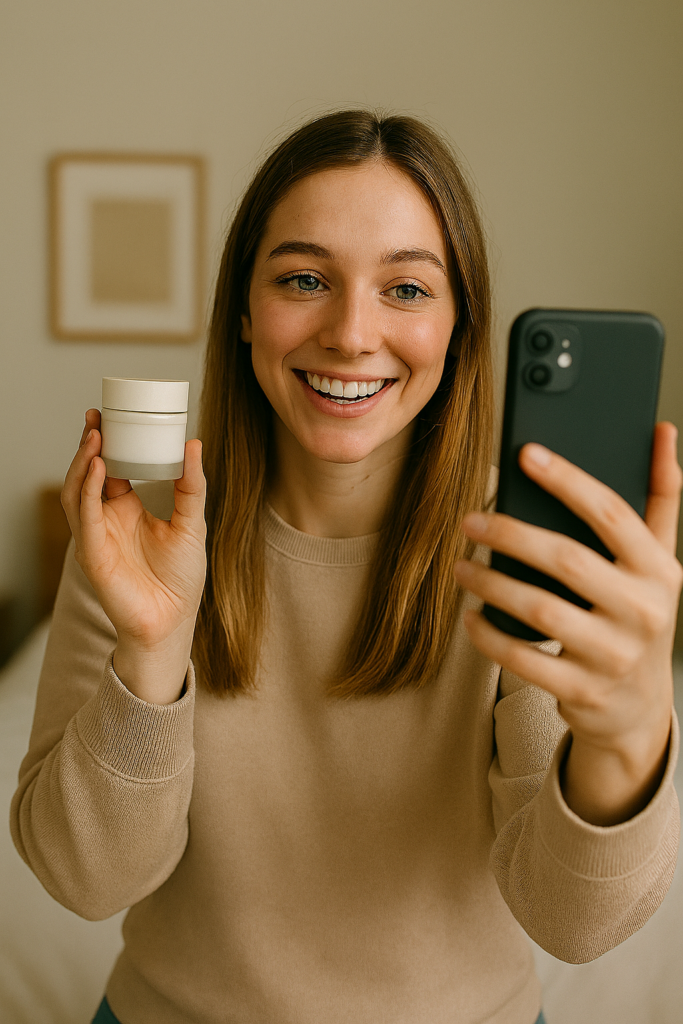
For marketers, this emotional closeness is gold. Unlike traditional advertising, influencer marketing doesn’t rely solely on persuasion or repetition. It relies on relational trust. When an influencer says, “I’ve been using this for six months and it changed my skin,” the message lands differently than a glossy brand commercial. The followers believe that the influencer is being honest not because the message is ad-free but because it comes from someone they feel they know.
That sense of knowing is carefully cultivated. Influencers disclose struggles, failures, and behind-the-scenes moments, making their lives feel accessible and real. This self-disclosure strengthens parasocial bonds, turning everyday content like morning routines, grocery hauls, casual rants into emotional touchpoints. When product recommendations are embedded into that intimacy, marketing feels less like selling and more like sharing.
Brands have quickly learned that influencers with smaller but highly engaged audiences often outperform celebrities with millions of followers. Why? Because parasocial closeness matters more than reach. A follower who feels emotionally connected is more likely to trust recommendations, defend the influencer online, and even more importantly internalize their values and lifestyle cues. Buying the product becomes a way of aligning with the influencer’s identity.
But this intimacy comes with ethical questions. The line between authenticity and advertising is increasingly blurred. Sponsored posts often look indistinguishable from personal content, especially when influencers position brand endorsements as casual advice. For younger audiences in particular, the emotional pull of parasocial relationships can reduce skepticism and critical thinking. Disclosure hashtags help, but they don’t erase the emotional influence already at work. There’s also pressure on influencers themselves. To maintain parasocial closeness, many feel compelled to overshare or maintain a “relatable” persona even when it conflicts with their private realities. Authenticity becomes not just a value, but a performance.
Despite these concerns, parasocial relationships aren’t inherently harmful. They can foster community, inspiration, and connection especially for audiences who feel underrepresented or unheard elsewhere. When used responsibly, influencer marketing can feel collaborative rather than manipulative, grounded in transparency and honesty.
The future of influencer marketing may depend on balance: maintaining the emotional connection that makes parasocial relationships powerful, while respecting audience autonomy and trust. As consumers become more media-savvy, they’re not rejecting influencers rather they’re demanding sincerity.
In a digital world where ads are everywhere, it turns out what sells best isn’t perfection or polish. It’s the illusion of friendship and the feeling that someone you trust is speaking directly to you.