
By Nahida Akter
There was a time when celebrity culture revolved around movie stars, musicians, and professional athletes. Their faces appeared on television screens, magazine covers, and billboards across the country. Fans admired them from a distance, consuming carefully curated images through traditional media.
Are Influencers the New Celebrities?
Today, however, fame looks very different.
Instead of discovering celebrities through Hollywood studios or record labels, many people now find their favorite personalities through TikTok, Instagram, YouTube, and Twitch. A teenager filming videos in a bedroom can gain millions of followers, influence purchasing decisions, and shape cultural conversations around the world. As social media continues to redefine how people connect and communicate, a new question has emerged: Are influencers the new celebrities?
The answer may be more complicated than it seems.
A New Path to Fame
The traditional celebrities often built careers through industries that acted as gatekeepers. Actors needed film studios, musicians needed record labels, and television personalities needed networks willing to put them in front of audiences.
But the influencers operate differently. Their success depends largely on content creation and audience engagement rather than approval from established entertainment institutions. With a smartphone and internet connection, nearly anyone can build an audience.
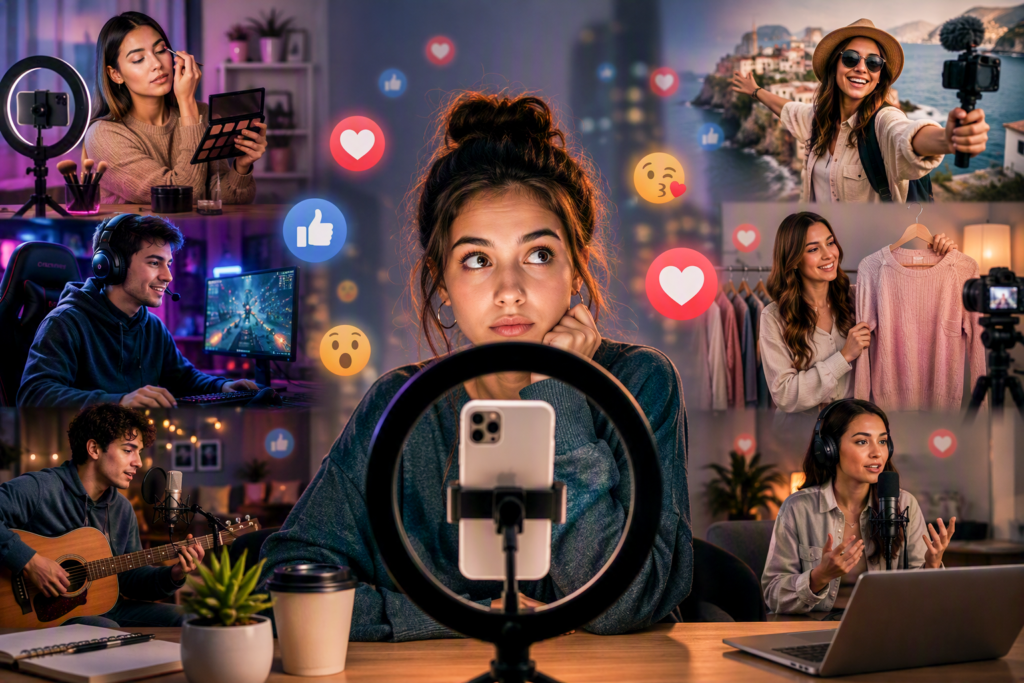
This accessibility has transformed the meaning of fame. People are no longer required to appear in movies or release platinum albums to become household names. Instead, they can attract attention through comedy sketches, makeup tutorials, gaming streams, travel content, or simply documenting their daily lives. Even some influencers have gained followings that exceed those of movie stars, musicians, and other traditional celebrities.
The Power of Relatability
One reason influencers have become so influential is that they often appear more relatable than traditional celebrities. They share daily routines, personal experiences, successes, and setbacks in ways that make followers feel connected to them.
Unlike movie stars who may seem distant and untouchable, influencers interact directly with audiences through comments, livestreams, questions, and direct messages. Followers can watch their favorite creators navigate school, relationships, careers, or personal challenges in real time.
This sense of familiarity creates a feeling that many media scholars describe as a parasocial relationship, a one-sided connection in which audiences feel emotionally close to someone they have never actually met.
As social media has expanded, these relationships have become increasingly powerful. Many followers trust influencers not only for entertainment but also for advice, recommendations, and information.
Influencing More Than Trends
The influence of content creators extends far beyond social media trends.
Brands now spend billions of dollars on influencer marketing because consumers often respond more positively to creators they trust than to traditional advertisements. A recommendation from a favorite influencer can drive sales, launch products, and introduce new trends almost overnight.
Their impact also extends into areas such as politics, mental health awareness, education, and social activism. Influencers routinely spark discussions that reach millions of people and shape public opinion on important issues.
In many ways, this level of influence mirrors the cultural power that celebrities once held through television, film, and popular music.
Where the Lines Begin to Blur
Interestingly, the distinction between influencers and celebrities is becoming increasingly difficult to identify.
Many traditional celebrities have embraced social media to connect directly with fans. Actors, musicians, and athletes now share behind-the-scenes content, personal updates, and everyday moments in an effort to appear more authentic and accessible.
Meanwhile, successful influencers are crossing into traditional entertainment spaces. Some have signed book deals, launched businesses, appeared in films, hosted podcasts, or starred in television programs. Others have built personal brands worth millions of dollars.
As a result, fame today often exists on a spectrum rather than in separate categories. Influencers become celebrities, and celebrities increasingly adopt influencer strategies.
The Hidden Side of Influencer Culture
Despite its appeal, influencer culture is not without challenges.
Social media platforms often encourage creators to present idealized versions of their lives. Carefully edited photos, curated content, and highlight reels can create unrealistic expectations for followers. Constant exposure to these images may contribute to comparison, insecurity, and pressure, particularly among young audiences.
There is also the question of authenticity. While influencers often seem genuine and approachable, many rely on sponsorships and brand partnerships to generate income. This can blur the line between personal recommendations and paid promotions.
Additionally, online fame can be unpredictable. Algorithms change, trends shift, and audiences move quickly from one creator to the next. The attention that fuels influencer success can disappear just as rapidly as it arrives.
Redefining Celebrity in the Digital Age
Perhaps the most significant difference between influencers and traditional celebrities is not how famous they are, but how they build relationships with audiences.
Traditional celebrities were largely admired from afar. Influencers succeed by creating the feeling of connection. Their audiences do not simply watch them; they follow them, interact with them, and often feel as though they know them personally.
In a world increasingly shaped by digital communication, that sense of connection may be more valuable than fame itself.
So, are influencers the new celebrities?
May be they are. Yet they represent more than a replacement for traditional stars. Influencers reflect a broader shift in culture, one in which accessibility, authenticity, and community engagement have become just as important as talent or visibility.
As social media continues to evolve, future generations may define celebrity status not by appearances on movie screens or magazine covers, but by the ability to build meaningful connections through a screen that fits in the palm of a hand.
Be the first to comment